The Kit-Bag Reset: A Low-Waste Routine Between Matches
A cricket kit-bag reset helps you dry and organise gear, locate spares you already own and make a clear decision before replacing anything.
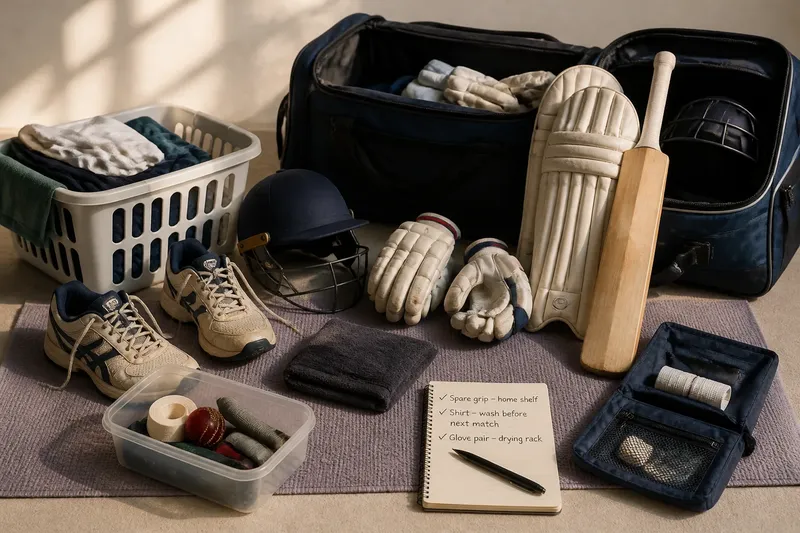
Your damp shirt is folded over a batting glove, and a spare grip seems to have vanished into the bottom of your bag. A cricket kit-bag reset separates items by what they need next, so you can prepare usable gear and check for misplaced spares before deciding whether to replace anything.
Empty the bag and make three groups
Choose a dry, ventilated spot and put down an old towel or washable mat. Open every compartment, including the shoe section and small pockets, then take everything out. Use a laundry basket for clothing, a clear space for kit that needs drying or attention, and a tub or pouch for loose accessories.
Sort by the next action, not by whether an item looks new. Keep the groups simple:
- Clothing or towels: if an item is used or damp, put it in the laundry basket; otherwise, return it to the clean-kit area.
- Shoes: if they have loose soil, brush it off over the mat; if they are damp, leave them open to air rather than sealing them in a bag.
- Protective kit: if it is dirty, wipe it with a suitable cloth and let it dry; if you notice a crack, torn stitching, loose strap or misshapen padding, set it aside and seek qualified advice before use.
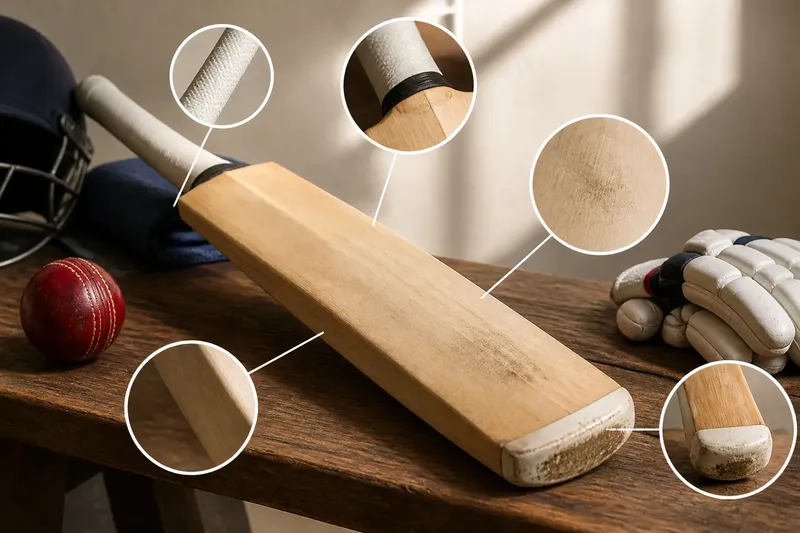
- Bat: if it has dry surface dirt, brush it away with a soft cloth; if you notice a change to the face, edge, handle or toe, set the bat aside for closer attention rather than applying an unapproved treatment.
- Accessories: if an item is loose, place it in the small tub; if it is used up or damaged, note what needs replacing rather than buying immediately.
- Bag: if a compartment is dirty, wipe it; if the lining is damp, leave the bag open to air before packing it again.
Check care labels and the manufacturer’s instructions before washing or treating kit. Avoid direct heat and strong sun when drying, and do not assume that pads, gloves or removable shoe insoles can go in a washing machine.
Dry gear without hiding a problem
Hang clothing so air can reach both sides. Set pads and gloves apart rather than stacking them, keep helmet vents clear, and leave shoes open. The bag should stay open too. A damp kit bag is like a closed lunchbox: anything wet inside stays trapped with it.
Keep drying gear somewhere it will not be stepped on or exposed to weather. Do not repack simply because an item’s outside feels dry; check seams, padding and other areas where damp can linger. Leave anything awaiting repair or advice outside the bag in a safe, visible place.
Check what you own before making a shopping list
A low stock is a reason to look, not an automatic instruction to shop. Search the whole bag, the laundry area and the place where you keep spare kit at home. Check any separate practice bag too. If you find a spare, note its location; if you do not, write down the specific item you need.
Say you find one batting glove after a match. You check the laundry basket, then the home storage shelf, and find its pair drying on a rack. The result is a complete pair ready to pack, so there is no need to add another glove to your shopping list.
Do not use a quick visual check to decide that damaged protective equipment is safe. Set it aside and ask the manufacturer or a qualified equipment specialist whether it can be repaired or should be replaced.
Put ready-to-use kit back in consistent places
Once items are clean and dry, return them to familiar compartments. Keep clothing together, put small spares in a pouch you already own, and store the bat in its intended sleeve or compartment if available. Avoid forcing bulky protective gear into a space that catches straps or presses against other items.
Before zipping the bag, check that no damp item has slipped back in and that straps are clear of fastenings. Keep anything needing attention outside the ready-to-use kit. A consistent place for each item makes the next search quicker without requiring extra organisers.
Keep a brief note that prevents repeat searches
Record only useful details: the item, where it is, and what needs doing. A note such as “spare grip: home shelf” or “shirt: wash before next match” is enough. Update it when an item moves or gets used; skip a full inventory if maintaining it becomes another chore.
For shared equipment, follow the club’s return and labelling arrangements. Do not move or mark another player’s kit without permission. Remove discarded or unsafe items from any ready-to-pack note so they are not mistaken for usable gear later.
What should you check before packing again?
How should you dry a cricket kit bag?
Empty every compartment and leave the bag open in a ventilated place. Dry the bag and its contents separately before packing them together.
Can cricket pads and gloves go in a washing machine?
Check the care label or manufacturer’s instructions rather than assuming they are machine-washable. For a quick reset, remove surface dirt with a suitable cloth and air-dry the items.
What should you do with damaged protective kit?
Set aside equipment that appears cracked, torn, loose or misshapen and do not use it until its condition has been assessed. Ask the manufacturer or a qualified equipment specialist about repair or replacement.
How can you avoid buying duplicate cricket accessories?
Search the bag, laundry area and home storage before shopping, then note where you found any spare. If the item is genuinely missing, add its name to a list so you can make a specific purchase rather than relying on memory.
Finish with a short reset
Use a simple order: empty, sort, air, check and repack. If time is tight, take damp clothing out and leave the bag open; finish sorting once you can give the gear proper attention.
For your next cricket kit-bag reset, let the condition of each item guide the decision: dry and return it, set it aside for advice, or record a genuine gap after checking your storage places. That keeps the bag ready without turning every low stock into a new purchase.